




"Money moves in real time, but understanding where a transaction went, which systems and partner acted, who authorized it and whether the records agree still depends on weekly and monthly reporting," said Eric Rosenthal, CEO and co-founder of Cordant. "We built the layer that was missing; one that shows how a transaction moved across all the systems involved or where the hand-off across systems and teams breaks down. That is the gap Cordant closes."
The gap is widening, and the reason is new rails
Real-time payment networks, stablecoins, tokenized deposits and new sponsor relationships each arrive on top of a stack that already has several systems recording the same payment. Each one adds another set of records, another set of rules and another place for the records to disagree, and the disagreement is sharpest where a workflow crosses an organizational boundary between a bank, a payments company, a custodian and their partners.
The same gap now stalls the agents institutions have approved. An agent can automate work inside one system. The moment the work crosses systems it needs what a person needs: a reliable answer about what happened and what was supposed to happen.
"Everyone wants to put AI into payments and back-office workflows," Rosenthal said. "But institutions cannot automate responsibly if they cannot see or explain it. Context has to come before automation."
Eleven design partners, one problem
Cordant is developing the command center with eleven design partners across banking, payments, embedded finance, cross-border transactions, stablecoins and digital assets, among them Bitso, Paxos, OpenReserve and Transcard. They operate in different parts of financial infrastructure and face the same problem: no single system shows how money moved across the whole operation.
"Anyone who's run security and operations at scale knows the real cost sits in the unhappy path where there are break-glass procedures and engineers pulled into production to trace a stuck payment," said Dave Schwed of OpenReserve. "We're partnering with Cordant to help design what a governed command center for financial operations should look like."
"The future of B2B payments will be defined by trust at scale," said Chris Fuller, president of Transcard. "Moving money is no longer the differentiator. Continuously proving that every payment program is operating within its SLAs, contractual obligations, and compliance requirements in real time is."
Founded by operators
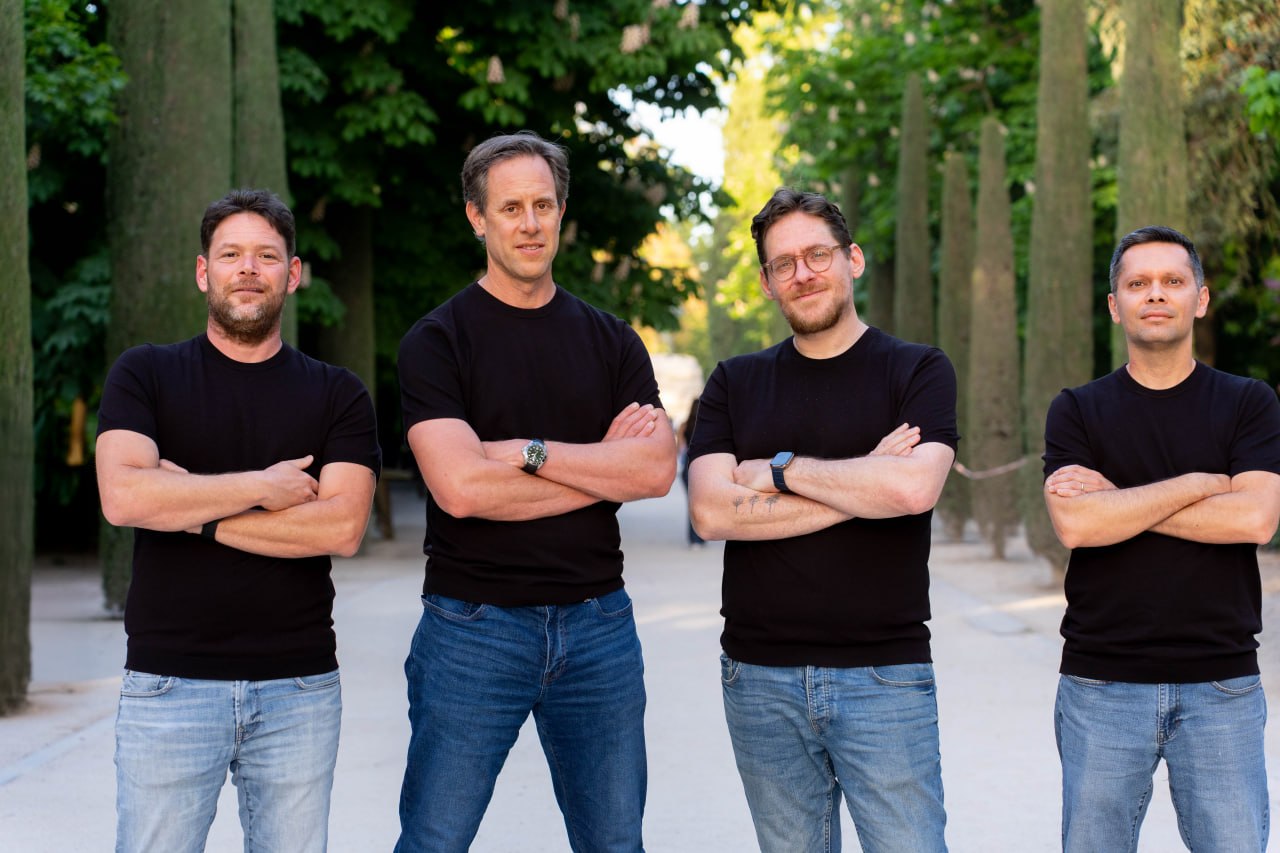
Cordant was founded by Eric Rosenthal, Lior Levit, Sagi Ittah and Juan Jose Huezo, operators who built and scaled Rapyd's infrastructure across more than 50 countries and 100 partner integrations. That work meant coordinating customer systems, banks, processors, compliance tools and local partners, and Cordant grew out of the difficulty of knowing what had happened when those systems did not share one view.
"At Rapyd, we saw this problem from every side," Rosenthal said. "We built the infrastructure, integrated the partners, sold it globally and made it work inside customer environments. Cordant is the system we kept needing and could not find."
The round
Motive Partners and Oak HC/FT co-led the round. Bitso, Paxos, Bankless Ventures, FJ Labs, SignalFire, Quona, Next Stage, Selah Ventures, Flatironx, Nascent Ventures, Silver Circle Ventures and Generative Ventures participated.
"Every institution moving money today is stitching together a patchwork of rails, ledgers, compliance systems and rules, and the real risk almost always lives in the handoffs between these tools," said Oivind Lorentzen, partner at Oak HC/FT. "As banks and fintechs push to integrate new rails and AI into regulated workflows, that visibility becomes the prerequisite. We're excited to partner with Cordant as they build the command center this industry has been missing."
"Financial institutions are adding new payment rails faster than they can keep a single, trusted view across them," said Harsh Govil, partner, venture at Motive Partners. "That gap only compounds as institutions push new rails and AI into regulated workflows, and it is the gap Cordant was built to close. We backed a team that has lived this problem and is focused on solving it."
Cordant will use the funding to bring the command center into production and activate its private beta clients.
Money already moves in real time. The decisions should too.
Read the full announcement on Business Wire.